
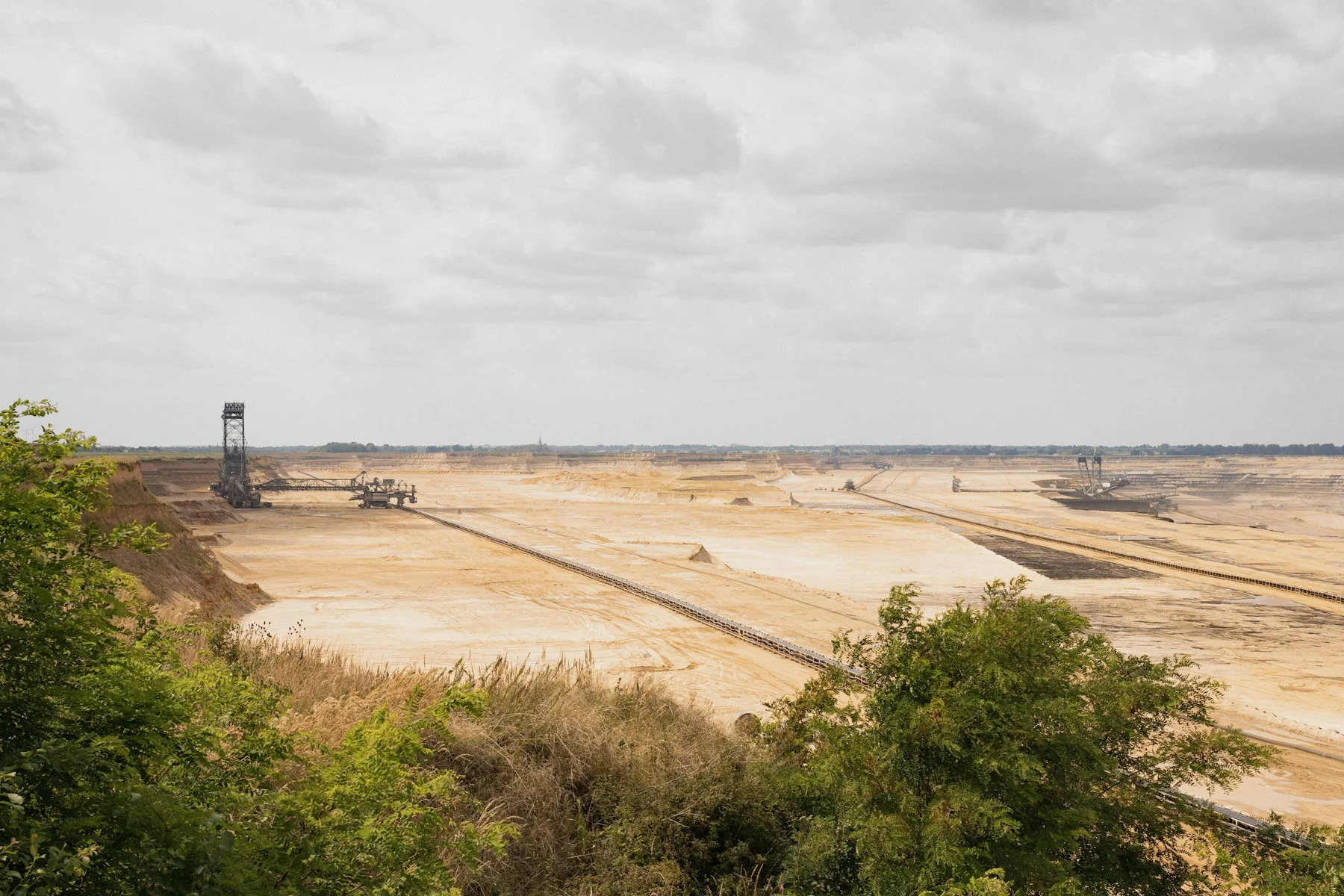
Identify your role at the quarry
Clarify whether you excavate, load, process, maintain equipment or provide specialized services. Include occasional activities such as clearing, water management and temporary road work. Responsibilities assigned in the contract can extend beyond your ordinary work description; review those differences before issuing evidence of insurance.
Review damage to owner property
A damaged loader, conveyor or fixed installation may belong to the quarry operator rather than your company. Liability exclusions or restrictions involving property in your care or work performed on property deserve close attention. Equipment coverage for your own machines should not be assumed to cover the owner’s property.
Prepare for changing locations
List the sites, expected duration and equipment mobilization arrangements. Explain any drilling or blasting involvement precisely and identify subcontracted portions. Ask whether changes in operations or locations require insurer notice, and maintain documentation so the program remains aligned with the work actually performed.
Illustrative review scenario
A quarry contractor operates an owner-supplied loader and damages a conveyor while moving material. The resulting discussion may involve damage to the loader, damage to the conveyor and the owner’s interruption allegation. Each interest requires its own coverage analysis. Document who controlled the equipment and read the property-in-care and work-related provisions rather than treating the event as one undifferentiated liability claim. Does your agreement make you responsible for an owner-supplied loader while it is operated, parked or being serviced? Compare each stage with the relevant property and liability wording rather than assuming identical treatment.