Describe your operating footprint
Start with a plain-language description of each service. Identify surface and underground work separately, mine types, jobsite locations, project duration and the entities that sign contracts. Explain whether you supply labor, equipment, design, transportation or complete a defined scope with subcontractors. Note planned changes rather than assuming the current application covers future work.
Bring the documents that answer underwriting questions
Use existing business records to make the conversation specific. Avoid sending sensitive employee or claimant information before agreeing on a secure transfer method.
- Current policies, declarations, schedules and endorsements—not only certificates.
- Executed and proposed contracts, insurance exhibits and relevant subcontracts.
- Equipment list with values, ownership, rental terms and operating locations.
- Payroll by duties and locations; receipts and subcontracted costs by operation.
- Vehicle schedules, hauling routes, driver information and maintenance overview.
- Loss runs and a factual account of corrective actions.
- Pollution exposure, site conditions, waste responsibilities and project timelines.
Define the decisions to resolve
A review should identify the questions that remain open: which operations need clearer disclosure, whether required endorsements are available, how limits coordinate, and what information an insurer needs before considering terms. A review does not bind insurance or guarantee that every contractual obligation can be insured.
Schedule your review
Use the existing Montridge consultation calendar or call 702-749-4369. There is no new intake form on this resource center. Discuss jurisdiction and service availability before relying on any proposed placement.
Watch & learn
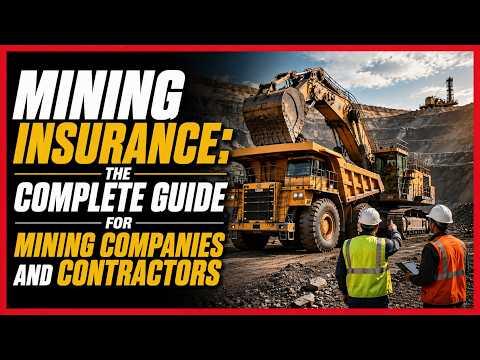
Mining Insurance: The Complete Guide for Mining Companies & Contractors
Loading this video connects to YouTube. Playback is optional.
Watch on YouTube ↗