
Name the underground work
Distinguish development, production, installation, repair and technical services. Identify the minerals, mine methods and contractor responsibilities without assuming a broad construction description communicates them. If your company also works on the surface, allocate activities and exposure information so the submission accurately represents both settings.
Evaluate location restrictions
Ask whether equipment coverage contains underground limitations, location restrictions or conditions affecting recovery and debris removal. Replacement value is only one part of the review: transporting, installing or retrieving a machine may involve substantial additional expense. Do not assume those costs share the same coverage treatment as the damaged equipment.
Coordinate people and contracts
Review employee classifications, contractual defense obligations and liability limits with the actual underground scope in hand. Mine access and training arrangements should be confirmed with competent safety personnel and the operator. The insurance submission should accurately explain emergency coordination without representing an insurance policy as a substitute for operational controls.
Illustrative review scenario
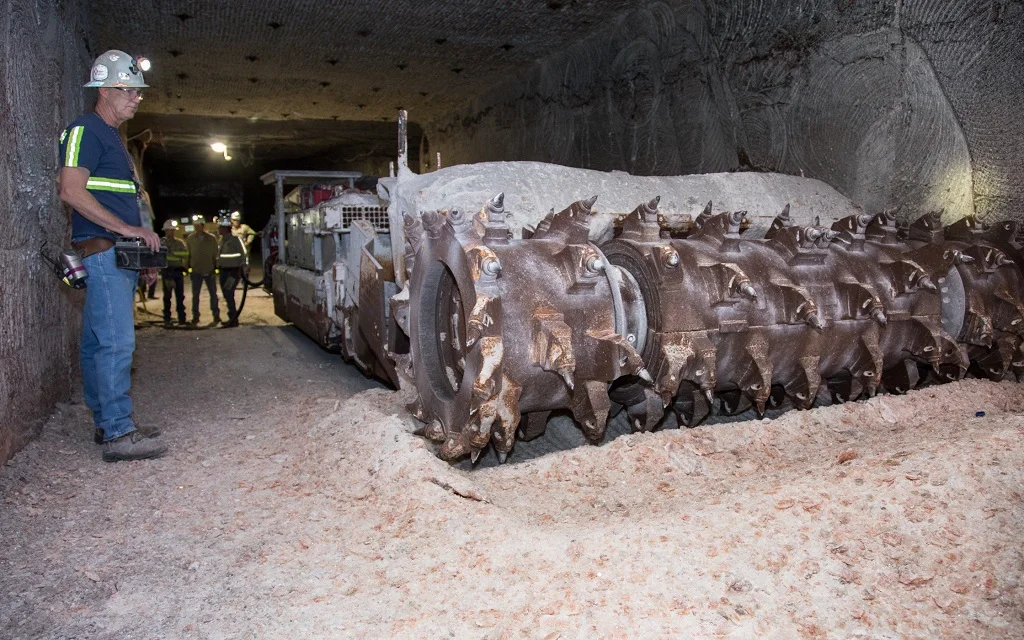
An underground service contractor leases a specialized machine that becomes inaccessible after an incident. The lessor expects replacement and recovery costs, but the contractor has only reviewed the scheduled physical damage value. The review should separate covered damage, retrieval expense, lease obligations and any exclusion involving underground use. Do not infer the outcome from the fact that the equipment appears on a schedule. If a unit cannot be recovered economically, what documentation and settlement provisions would apply? Discuss the difference between abandonment, recovery expense and covered physical damage before relying on the scheduled machinery value.