
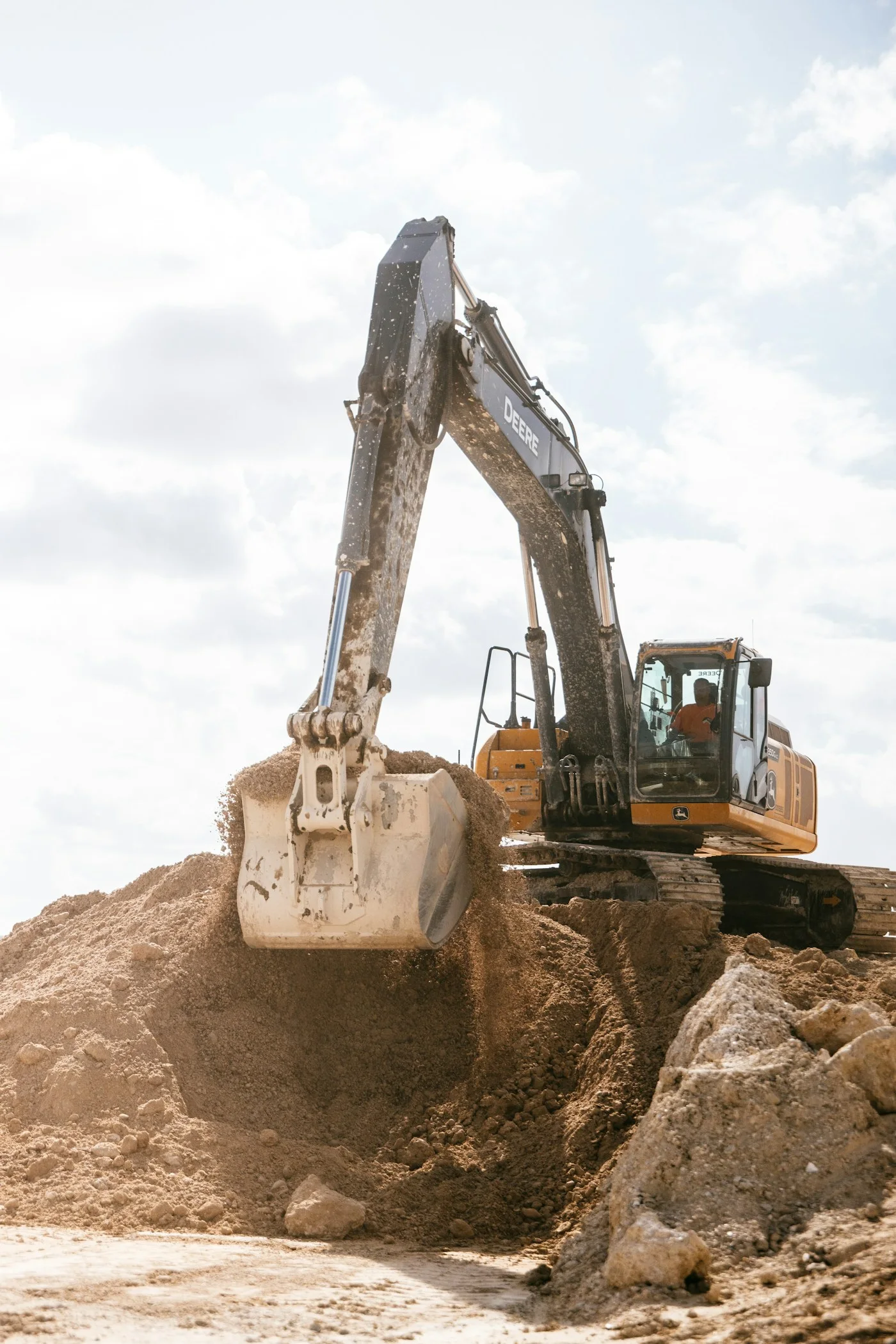
Distinguish existing contamination
Separate pre-existing site conditions from pollution that could arise from your work. Explain soil disturbance, waste handling, water management and any treatment services. Review how proposed environmental coverage defines covered operations and addresses known conditions rather than assuming a project’s reclamation label establishes protection.
Evaluate the restoration contract
Identify performance guarantees, environmental indemnities, long-term monitoring and responsibility after completion. A contractual obligation to restore land or meet a permit condition is not necessarily an insured loss. Legal, environmental and surety advisers may need to review different parts of the same agreement.
Prepare a project-specific account
Provide site reports available to your company, scope boundaries, subcontractor responsibilities and disposal arrangements. Describe the equipment and vehicles used and where materials travel. Insurance discussions should address both work in progress and potential allegations after the project is accepted.
Illustrative review scenario
A reclamation contractor discovers contamination outside the conditions described in the initial scope. The owner asks it to proceed under the existing agreement. Before expanding the work, document the changed condition and obtain appropriate environmental and contractual advice. Review whether the proposed services, known-condition provisions and reporting requirements align with the new assignment; the original project description may no longer be sufficient. Does the agreement require ongoing monitoring after physical work is complete? Identify the duration, responsible entity and insurance continuity questions separately from the equipment and liability exposures during construction.