
Classify actual use
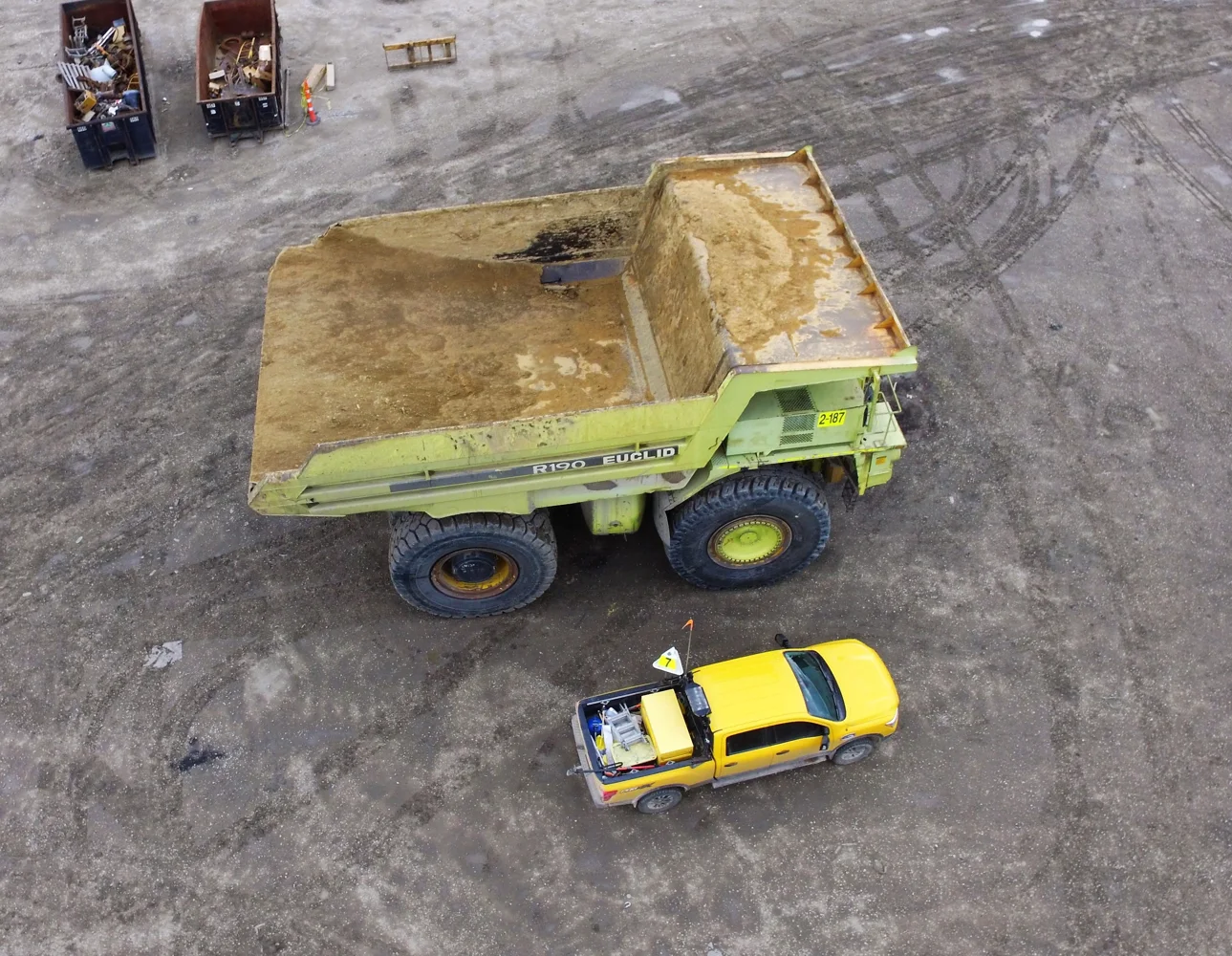
Provide registration status, operating radius, loads, drivers and public-road exposure. Clarify the distinction between covered autos and mobile equipment under the relevant forms. The same machine can raise different questions depending on its configuration, use and applicable compulsory insurance requirements.
Review more than liability limits
Evaluate physical damage values, deductibles, hired and nonowned auto, leased vehicles and towing or recovery costs. Transportation of customer goods and spill cleanup may require additional analysis. A high liability limit is not evidence that every vehicle, driver or activity is included.
Coordinate the fleet with other policies
Compare auto, general liability, pollution and excess wording for gaps and inconsistent definitions. Review contractual requirements for additional insured status and waivers. Changes in routes, loads or vehicle types should be communicated promptly so the underwriting description remains accurate.
Illustrative review scenario
A supervisor rents a vehicle for a remote assignment while another employee uses a personal truck for supplies. The company’s owned-vehicle schedule does not answer either exposure by itself. Review hired and nonowned liability, physical damage and contractual rental obligations. Establish a clear process for documenting temporary vehicle use so insurance decisions are not made only after an incident. If a borrowed vehicle is used for a short assignment, which policy and conditions apply? Clarify responsibility before the trip rather than assuming temporary use creates automatic liability or physical damage protection.