Distinguish drilling activities
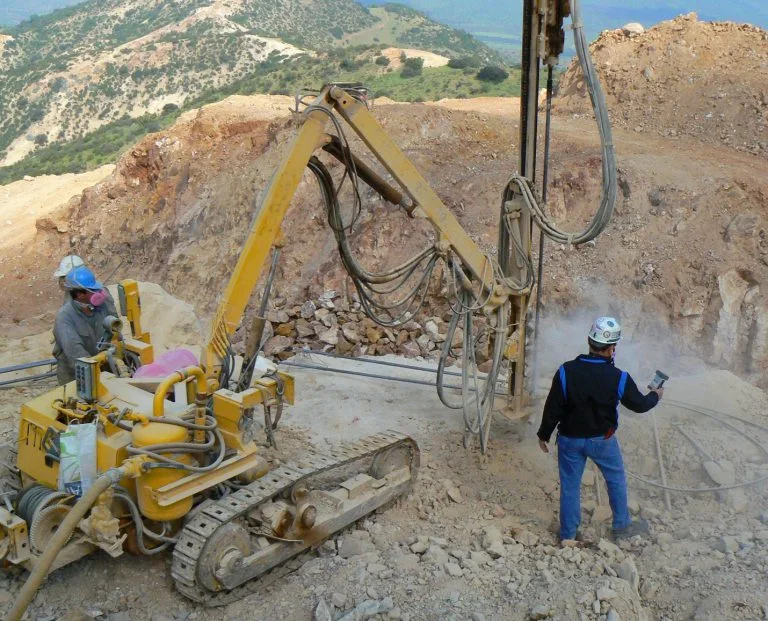
Describe exploration, core sampling, production holes, dewatering or other services separately. Identify whether you select locations, provide geological interpretation or follow designs supplied by others. A contract containing design, testing or reporting obligations may raise professional liability questions beyond physical damage caused during field work.
Review the complete rig
Inventory rigs, support vehicles, compressors, rods, tools and electronic equipment. Ask how downhole property, breakdown, recovery and property in transit are treated. Distinguish a mechanically damaged component from physical damage caused by an otherwise insured event; the actual equipment form determines the answer.
Explain site and environmental conditions
Discuss fluid handling, water movement, fuel storage and responsibility for closing or restoring the work area. Present contracts and site information that clarify who controls the method and who approves results. Any pollution review should address the substances and pathways involved without promising that a general liability policy covers them.
Illustrative review scenario
A drilling company agrees to provide core samples and adds an interpretive report at the customer’s request. Its original application described field drilling only. The added deliverable may change the professional services discussion even if no equipment or payroll changes. Review the report’s intended use, contractual reliance and the insured services definition before assuming the existing program follows the expanded assignment. Are sampling results delivered as factual observations or accompanied by technical opinions that others rely on? Describe that distinction in the application and review the professional services definition against the actual deliverable.