
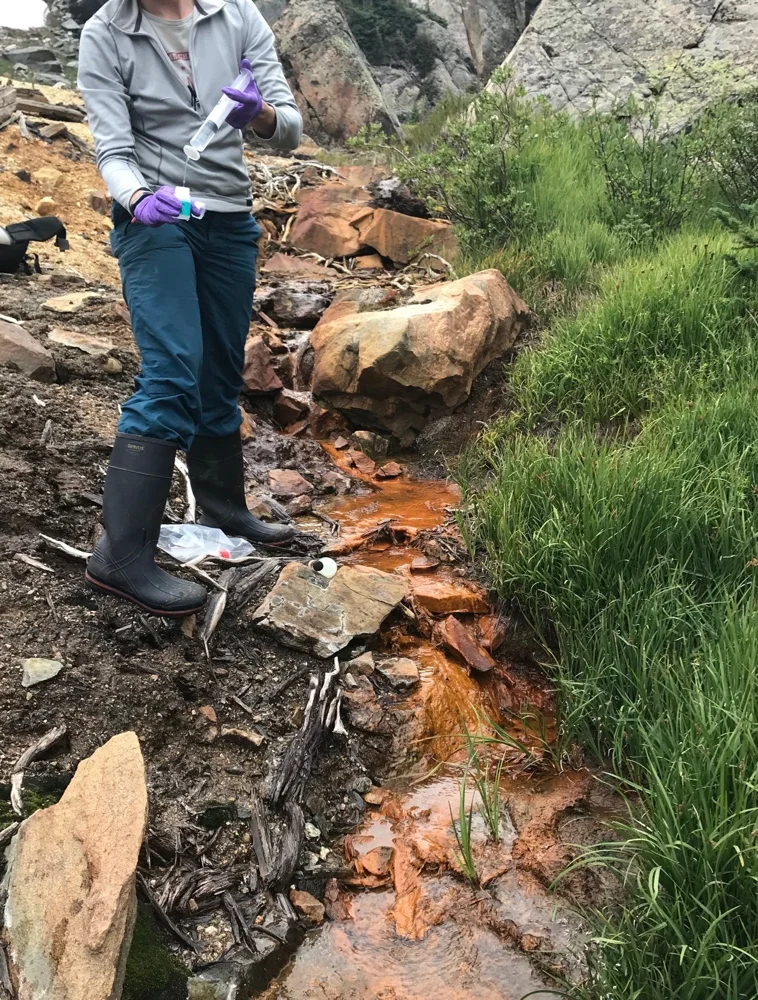
Define the environmental work
Explain fuel handling, water movement, soil disturbance, waste transport and treatment or remediation services. Distinguish contractor-caused conditions from known or pre-existing contamination. Identify locations, substances, subcontractors and disposal arrangements so the insurer can evaluate the actual exposure.
Review the coverage trigger
Compare occurrence and claims-made features where applicable, retroactive dates, reporting deadlines and continuity requirements. Ask how cleanup costs, third-party injury, property damage and defense are treated. Transportation, nonowned disposal sites and completed operations may require specific provisions rather than assumed inclusion.
Coordinate the program
Review interfaces with general liability, auto, professional liability and excess policies. Contractual environmental indemnities may extend beyond available coverage. Keep environmental reports and work boundaries available, but do not represent a policy as covering every regulatory duty, cleanup obligation or historical condition.
Illustrative review scenario
A contractor is asked to disturb soil at a site with documented historical contamination. Its existing pollution policy was arranged for different services. Provide the site information and revised scope to the insurer, and review known-condition, covered-operations and reporting provisions. Do not assume environmental coverage is interchangeable across projects simply because both assignments involve work at a mine. Would the proposed policy address an allegation discovered after the project ends? Review completed-operations treatment, reporting conditions and continuity before deciding that the environmental obligation has been funded.