
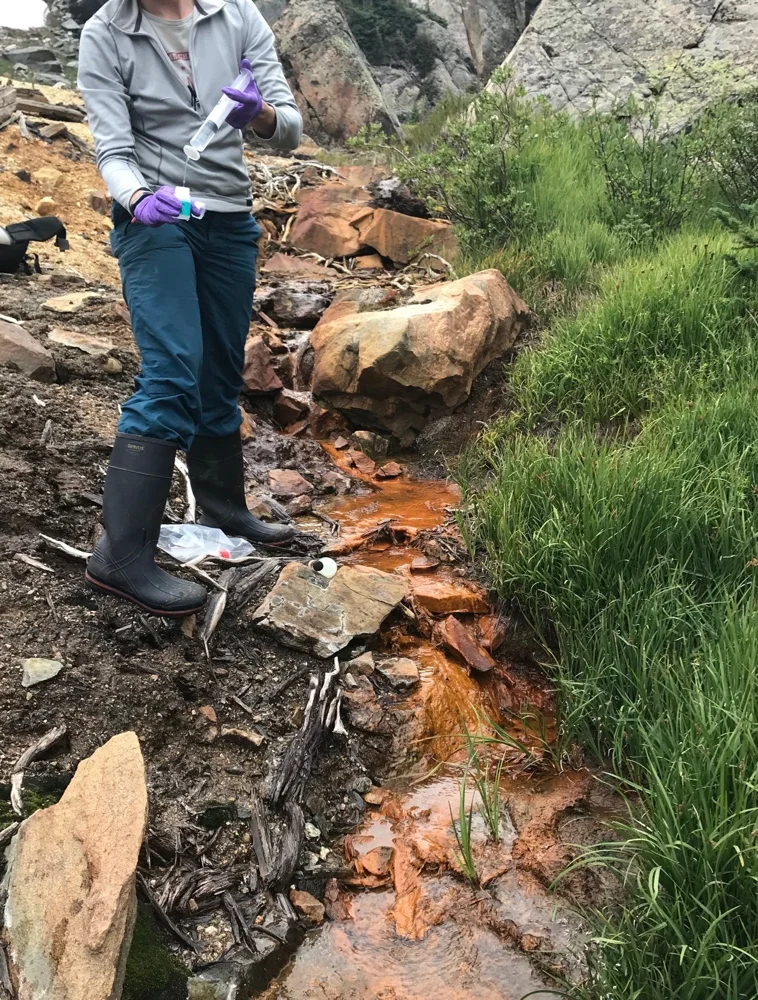
Establish the response contacts
Identify qualified emergency and environmental providers and the people authorized to notify agencies, the mine operator and insurers. Site-specific plans should be prepared by competent professionals. Do not rely on an insurance website to determine containment methods or the reporting duties applicable to a particular substance.
Review notification and consent provisions
Pollution policies may contain detailed notice, emergency expense and consent conditions. Know those provisions before an incident. A release discovered after work ends may raise different coverage questions from one occurring during operations, particularly where reporting dates or prior conditions matter.
Preserve the operating record
Maintain contracts, site-condition information, material records and a factual timeline. Separate pre-existing conditions from work performed by your company to the extent evidence allows. Track response expenses and communications without assuming all cleanup or regulatory costs will be reimbursed.
Illustrative review scenario
A release is discovered after a contractor has left the site, and several parties dispute when it began. Preserve the scope, site-condition records and communications while qualified personnel address immediate duties. Review the policy’s discovery and reporting provisions without delaying necessary notifications. The coverage analysis may depend on facts that remain uncertain at the beginning of the response. Do field supervisors know the approved notification contacts without needing to interpret policy language during an incident? Keep the contact process accessible while leaving technical response decisions to qualified personnel.