
Translate each requirement
Identify required policy types, limits, insured entities, endorsements and completion-period obligations. Clarify ambiguous wording with the customer before assuming compliance. Requirements for primary coverage, additional insured status or waivers may need specific endorsements rather than a certificate notation.
Compare obligations with actual forms
Review exclusions and definitions relevant to the contracted operations. Separate contractual promises from available insurance, particularly for production loss, pollution, professional services and damage to owner property. Legal enforceability and insurance availability are different questions that may require different advisers.
Resolve gaps before mobilization
Provide the complete contract to the broker with sufficient lead time for review. Document accepted exceptions or amended requirements rather than silently relying on an assumption. Revisit the analysis when scope, entities, locations or project duration change.
Illustrative review scenario
A customer’s insurance exhibit requests endorsements that conflict with the contractor’s current forms. The project team is under pressure to mobilize and asks for a certificate stating compliance. Identify the exact differences and seek an accepted amendment or appropriate coverage change. Do not use the certificate to imply the insurer has agreed to terms that have not been issued. Which requirements are satisfied by existing forms, which need endorsements and which remain unavailable or unclear? Document that comparison so management can negotiate with the customer using an accurate account of the program.
Watch & learn
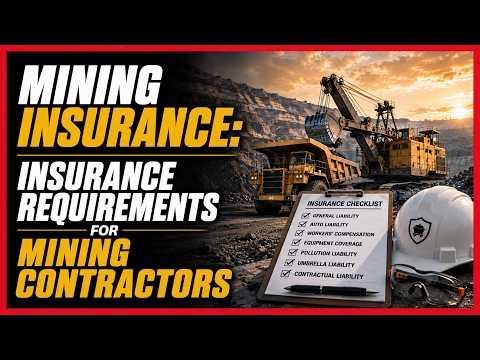
Insurance Requirements for Mining Companies: Coverage & Risk Considerations
Loading this video connects to YouTube. Playback is optional.
Watch on YouTube ↗