
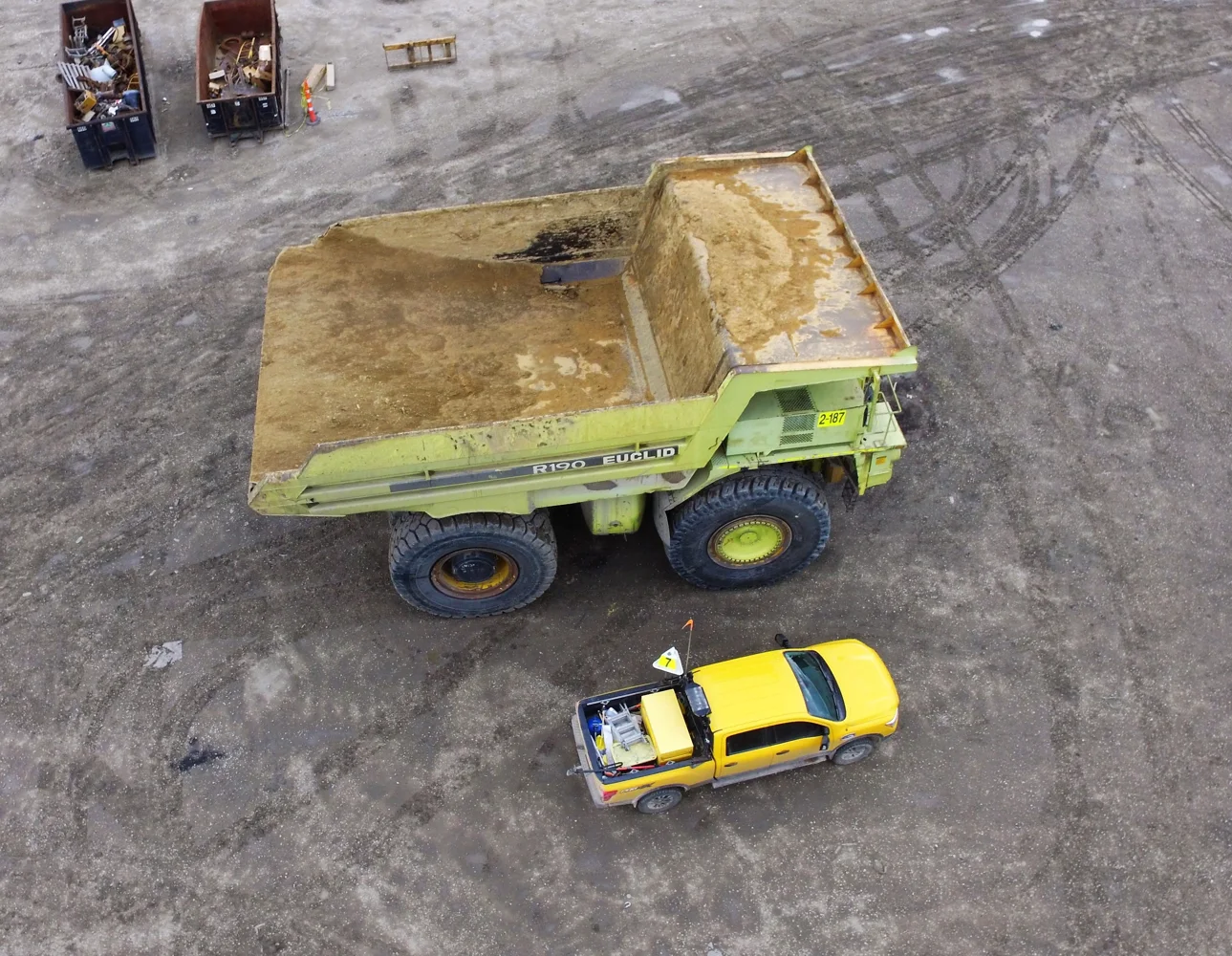
Map vehicle use
Identify travel on mine roads, public highways and customer premises, together with loads and operating radius. Explain whether vehicles are registered and how each policy classifies them. The legal or policy treatment of mobile equipment cannot safely be inferred from a vehicle’s appearance or the term haul truck.
Coordinate liability and physical damage
Review auto liability, general liability, equipment physical damage and any applicable excess layer together. Distinguish damage to the vehicle from damage to transported property and cleanup allegations after a spill. Contract requirements may also call for protection for hired or nonowned vehicles.
Keep exposure records current
Maintain driver information, vehicle values, maintenance records and a clear description of routes and loads. Disclose material changes such as public-road operations or hauling different substances. Review subcontracted haulers independently rather than assuming your insurance automatically extends to their vehicles and activities.
Illustrative review scenario
A haulage business begins taking material beyond the mine gate using trucks previously described as operating only on site. The change affects routes, third-party interactions and potentially policy classification. Update the vehicle-use description and review the auto and equipment forms before the new work begins. Also clarify responsibility for transported material and any cleanup allegation arising from a road incident. Are the same trucks used both within the mine and for public-road deliveries? Record those uses expressly and ask how liability, physical damage and transported property are addressed across the operating cycle.