Identify whose income is affected
Distinguish your lost earnings, extra operating expense and a customer’s asserted production loss. Review whether the proposed coverage requires damage to specified property from a covered cause. A contract making you responsible for downtime does not establish that your policy pays it.
Examine the interruption terms
Ask about waiting periods, restoration periods, sublimits, dependent-property provisions and equipment-related extensions where offered. Compare the policy assumptions with realistic parts and replacement lead times. Ordinary delays, wear and mechanical failure should not be presumed covered simply because work stops.
Build a recovery discussion
Document replacement options, rental availability and critical dependencies. Review the contract’s liquidated damages or loss-of-use provisions separately with counsel. Keep income and expense records that could support a covered claim while recognizing that the policy wording and cause of loss determine whether payment is available.
Illustrative review scenario
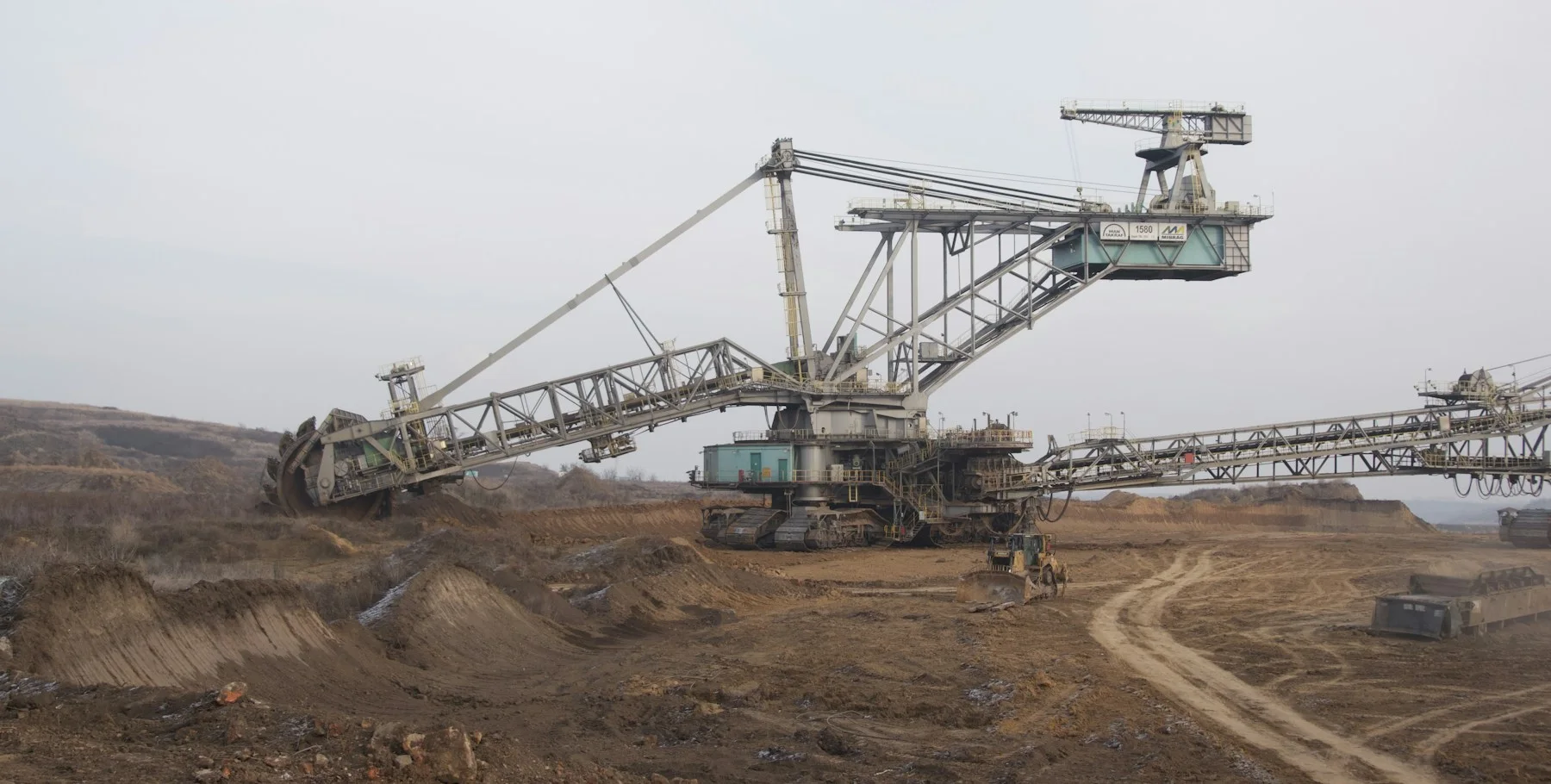
A crusher suffers damage, but the principal financial impact is the time required to obtain an imported replacement component. The contractor’s repair estimate does not capture the interruption. Review the required coverage trigger, restoration period and applicable limits, together with substitute-equipment options. Separately examine the customer’s claim for lost production, which may not be the contractor’s insured business income. How long would it take to source, transport and commission a replacement for the critical machine? Compare that realistic timeline with the policy’s waiting period, restoration terms and applicable limits.