Map the service process
Describe shop work, mobile field repairs, welding, component rebuilding and testing. Identify whether customer equipment is transported, stored or operated by your personnel. These details help evaluate property-in-care restrictions and whether separate protection is needed for customer property at a shop or in transit.
Separate repair costs from liability
The cost of correcting your own repair is not the same as resulting damage to other property. Review faulty workmanship, property being worked on and completed-operations provisions. Contract language promising uninterrupted production or broad performance guarantees may create obligations beyond what the insurance program supports.
Track the equipment handoff
Document condition at intake, work authorization, parts supplied, testing and return to service. Review subcontracted specialist work and customer acceptance procedures. A precise paper trail helps the insurer investigate an allegation and helps clarify which party controlled the equipment when a problem occurred.
Illustrative review scenario
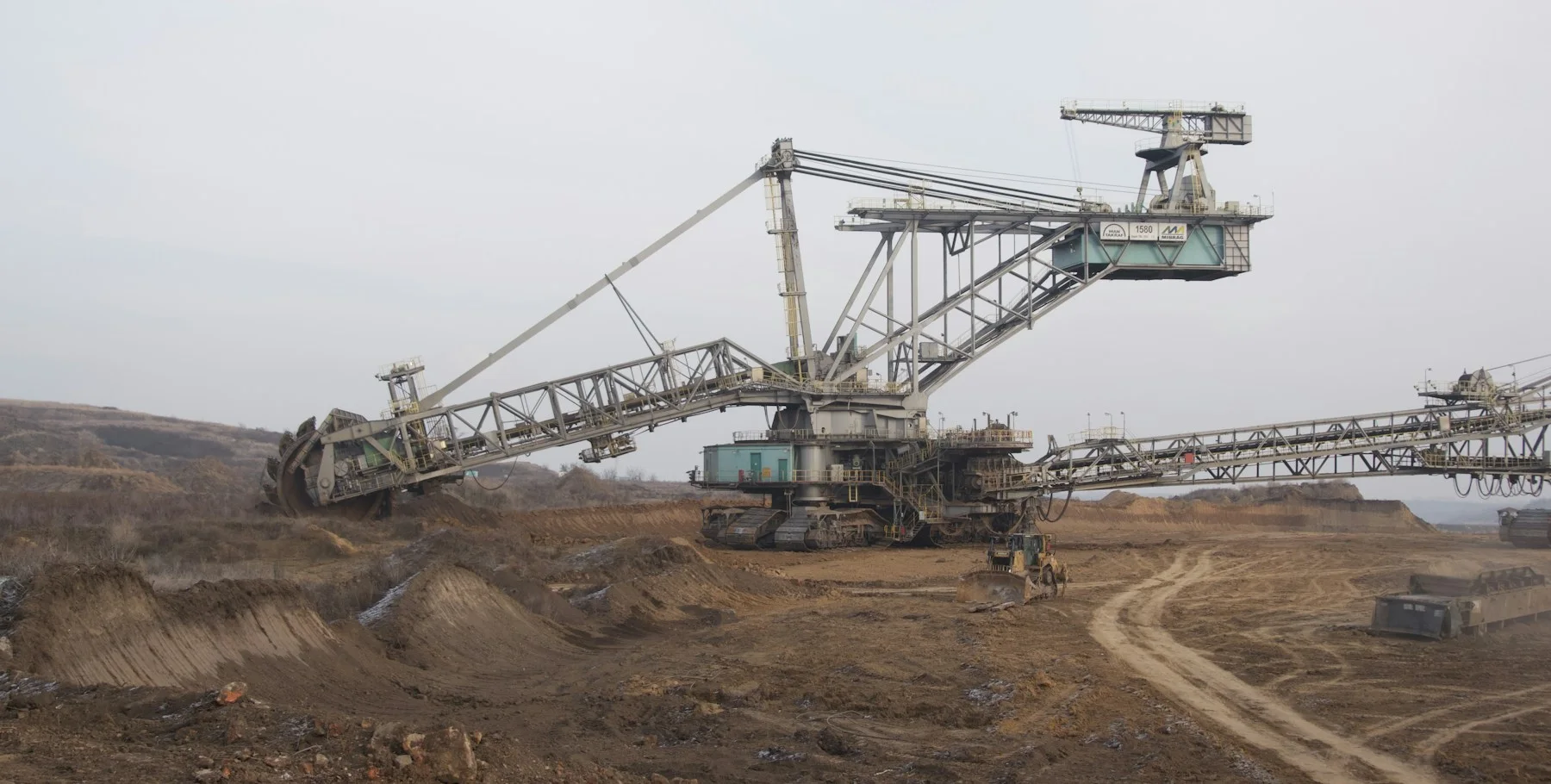
A field mechanic repairs an owner’s machine and returns it to service. A later failure damages another component, and the owner claims the original repair caused both damage and downtime. The review should distinguish correcting the repair, damage to other property and consequential loss. Work orders, test records and the condition of the machine at handoff can be important to that analysis. When customer machinery leaves the shop, who records its condition and acceptance? Retain that record with the repair authorization, particularly where later allegations could involve both the repair and subsequent operation.